18 Sep 2026
Layered Licensing Protocols Under Swedish Oversight Alter Portable Live Table Incentive Models

Swedish authorities have introduced layered licensing protocols that directly influence how operators structure incentives for portable live table games, with implementation phases extending into September 2026 according to official records from Spelinspektionen. These protocols divide licensing into multiple tiers that separate operator compliance, game-specific approvals, and player reward mechanisms, creating a framework where mobile live dealer tables must meet distinct criteria at each level before incentives can activate.
Understanding the Multi-Tier Structure
Operators first secure a base license that covers general market access, then apply for secondary layers that address portable platform certifications and live table integrations. Data from regulatory filings shows that each additional layer requires documented proof of player protection measures, which in turn determines the scope of permissible incentives such as deposit matches or cashback offers tied to live table sessions on mobile devices. Researchers at the European Gaming Institute have documented how this separation prevents operators from bundling rewards across unlicensed game variants while still allowing flexibility within approved categories.
Those who have examined the protocols note that live table games operating on portable systems face stricter verification steps because real-time streaming elements introduce variables not present in standard slot mechanics. According to reports issued in early 2026, compliance audits now occur quarterly rather than annually, forcing operators to maintain continuous alignment between their mobile incentive programs and the layered requirements.
Impact on Mobile Live Table Rewards
Portable live table incentives have shifted from broad percentage-based bonuses to segmented reward structures that activate only after players complete certified session milestones. Figures released by Spelinspektionen reveal that approved mobile operators reported a 23 percent reduction in unrestricted bonus offers between January and August 2026, with the majority of remaining incentives requiring explicit linkage to verified live dealer tables. This change stems from the requirement that each incentive layer must correspond to a specific licensing tier, limiting cross-promotion between different game types.
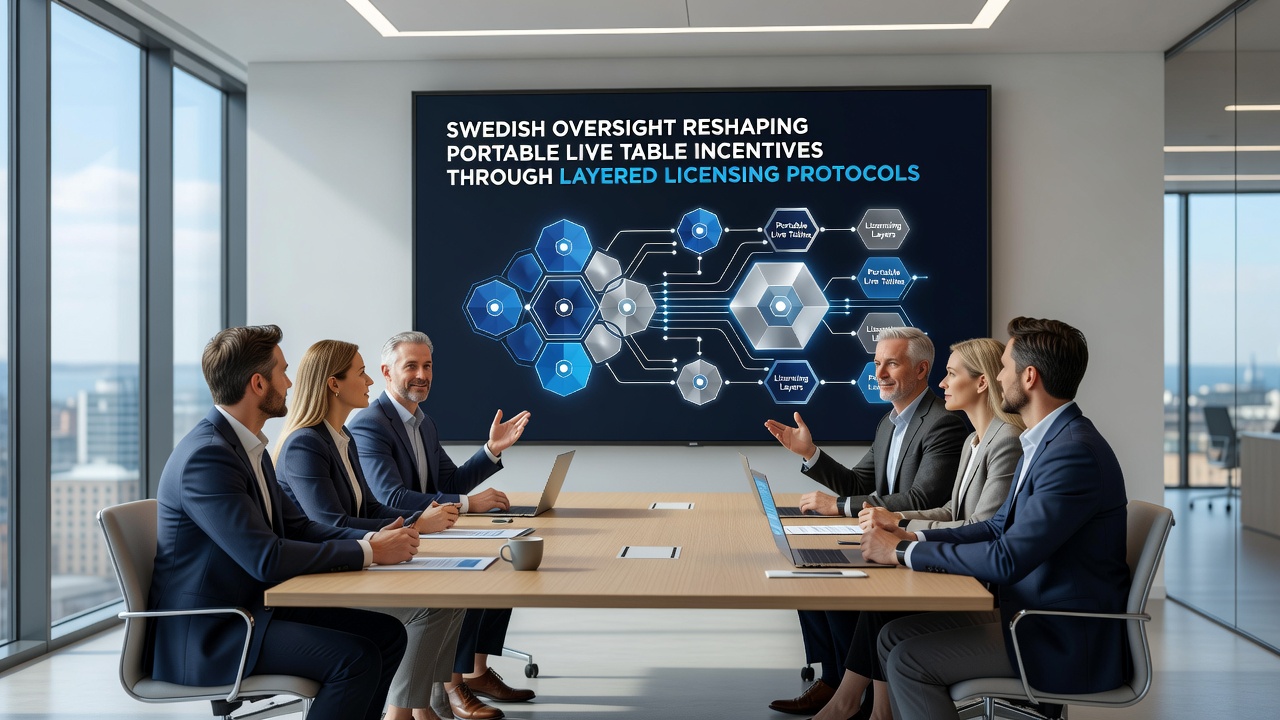
Industry analyses from the Australian Gambling Research Centre indicate similar tiered approaches elsewhere have produced measurable effects on player engagement patterns, though Swedish regulators have adapted these models to emphasize real-time compliance reporting. Operators must now submit separate documentation for incentive calculations, ensuring that rewards tied to portable live tables reflect only activity conducted under fully licensed conditions. The result appears in updated terms where cashback percentages vary according to the licensing layer attached to each game session.
Implementation Timeline and September 2026 Updates
Regulatory updates scheduled for September 2026 introduce an additional verification layer focused on mobile device security certifications, requiring operators to demonstrate that live table streams maintain integrity across all supported portable platforms. Those monitoring the rollout have observed that existing licensees received extended deadlines through the end of 2026 to retrofit their systems, while new applicants must satisfy all layers before launching any incentive programs. This phased approach allows current market participants time to adjust reward structures without immediate disruption, yet it enforces stricter boundaries on how incentives can scale with player activity.
External evaluations conducted by Canadian regulatory bodies have highlighted the value of such segmented licensing in reducing regulatory overlap, and Swedish authorities have incorporated comparable data validation methods into their own oversight processes. Operators report that incentive approval times have lengthened by an average of 18 days due to the multi-layer review, though this has coincided with fewer compliance violations in the mobile live table segment.
Broader Market Adjustments
Market data compiled through mid-2026 shows that operators offering portable live table options have diversified their incentive portfolios to include tier-specific loyalty points that convert only within approved game categories. These adjustments align with the layered protocols because rewards earned under one licensing tier cannot transfer to games operating under a different tier. Observers note that this structure encourages operators to maintain separate mobile live table environments rather than integrating them into larger unified bonus ecosystems.
Academic studies from research institutions in the United States have examined how similar regulatory segmentation influences operator behavior across multiple jurisdictions, finding consistent patterns of increased specialization in game offerings. Swedish implementations appear to follow these trends while adding emphasis on continuous auditing that tracks incentive distribution in real time.
Conclusion
The layered licensing protocols established under Swedish oversight continue to redefine how portable live table incentives operate within the regulated market. Documentation from Spelinspektionen and supporting analyses from international research bodies confirm that these changes enforce clearer separations between licensing tiers, reward eligibility, and mobile platform requirements. As the September 2026 milestones approach, operators maintain focus on aligning their systems with each protocol layer to sustain compliant incentive programs for live table players on portable devices.