4 Sep 2026
Sweden's Licensing Rules and Their Direct Effect on Mobile Live Game Reward Systems
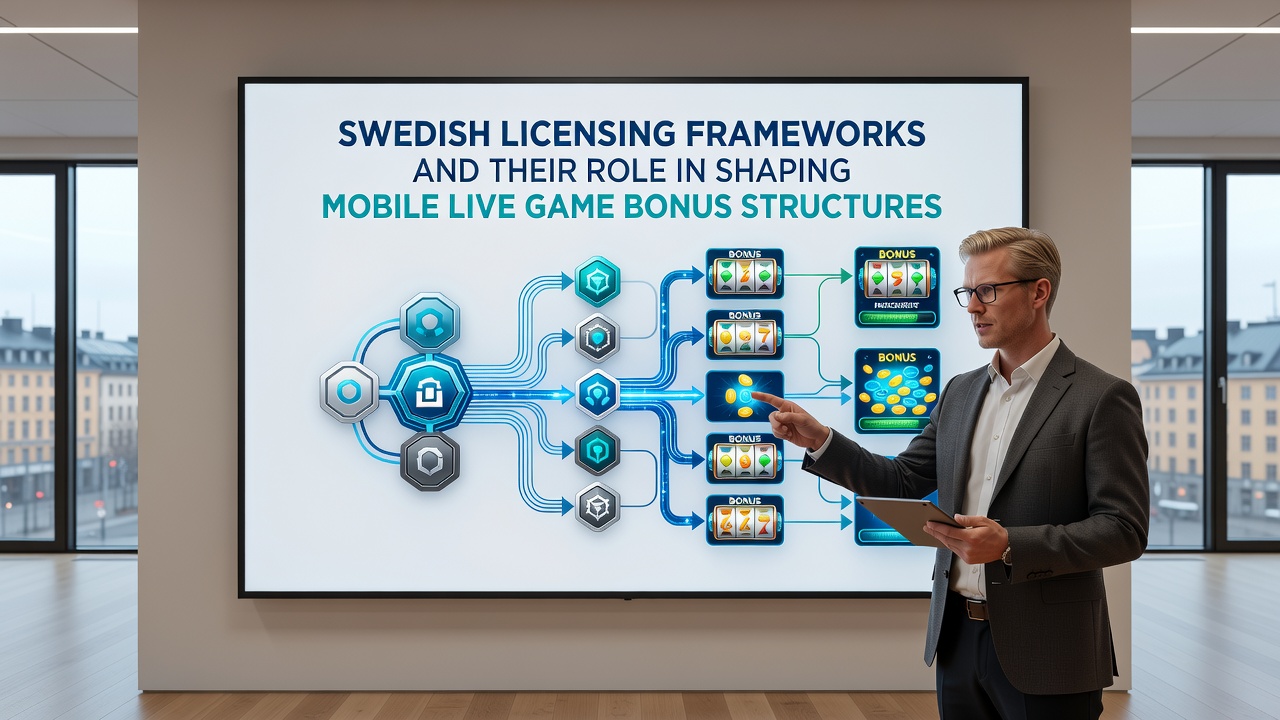
Sweden introduced its re-regulated gambling market in 2019 through the Gambling Act, which requires all operators targeting Swedish players to hold a license from Spelinspektionen, the national authority that enforces strict conditions on bonus structures across mobile platforms. Those rules limit how operators can design and promote rewards for live dealer games accessed on smartphones and tablets, creating a framework that prioritizes player protection while maintaining market access for compliant companies.
Data from Spelinspektionen shows that licensed operators must restrict welcome bonuses to a single instance per player account, and this cap extends directly to mobile live game environments where real-time table play occurs. The regulation prevents repeated bonus offers that might otherwise encourage extended sessions on live roulette or blackjack apps, and it requires clear disclosure of wagering requirements before any mobile user claims a reward.
Core Licensing Conditions Affecting Bonus Mechanics
Operators seeking a Swedish license must submit detailed bonus policies for approval, and Spelinspektionen reviews these submissions to ensure they align with responsible gambling standards that apply equally to desktop and mobile channels. Research indicates that mobile-specific rules emerged because live game sessions on phones often feature faster betting cycles, prompting regulators to cap maximum bonus values and mandate time limits on promotional play.
Those who've examined the licensing criteria note that bonus funds tied to live dealer tables carry mandatory contribution rates, typically counting at lower percentages toward wagering targets compared with slot games. This structure shapes how providers allocate mobile rewards, pushing many operators to design hybrid promotions that blend live game credits with other verticals to meet compliance thresholds.
Mobile Platform Adaptations Under Current Rules
Since the market opened, operators have adjusted their mobile applications to display bonus terms prominently within live game lobbies, and this requirement stems from Spelinspektionen guidelines that demand transparency at every stage of the player journey. Figures reveal that non-compliance has led to fines, which encourages companies to embed regulatory checks directly into their app interfaces for live casino features.
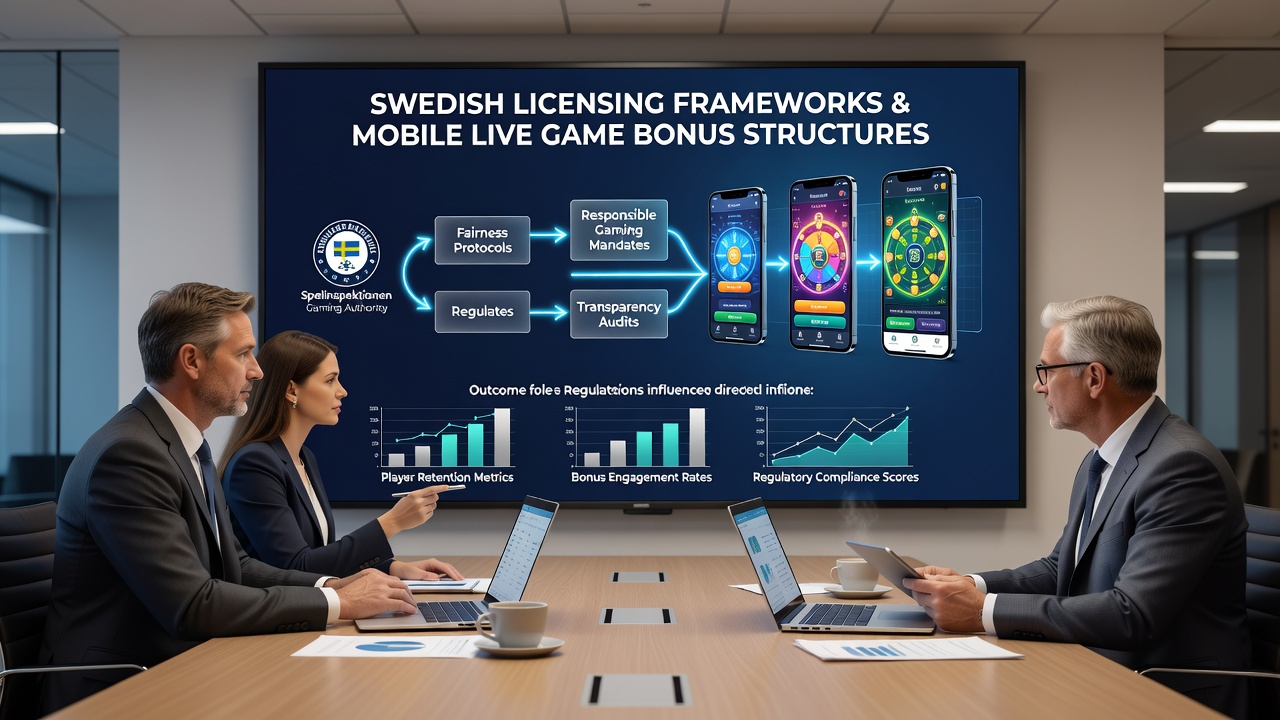
What's interesting is how these constraints have influenced product development, with several providers creating region-specific mobile versions that automatically adjust bonus eligibility based on player location and license status. According to industry reports, such technical adaptations help maintain access to the Swedish market while satisfying the single-bonus-per-account rule that covers all live game activity.
Data Trends Observed Through 2026
Records through September 2026 indicate steady growth in licensed mobile live game participation, yet bonus-related complaints have declined following tighter enforcement of disclosure rules. One study from a Nordic research consortium found that players accessing live tables on mobile devices encounter fewer promotional pop-ups, a direct result of licensing conditions that restrict aggressive marketing tactics.
Those monitoring the sector point to Spelinspektionen statistics showing that operators now allocate fewer resources to bonus-heavy campaigns and instead focus on loyalty programs that comply with annual reward caps. This shift has produced more standardized mobile experiences across competing platforms.
International Comparisons and Swedish Specifics
Observers comparing frameworks note that Sweden's approach differs from markets like those overseen by the Malta Gaming Authority, where bonus flexibility remains broader for live dealer offerings on mobile. Yet Swedish rules emphasize equal treatment of all game types, which means live casino bonuses cannot exceed the same value thresholds applied to other categories within the same license.
Evidence from regulatory filings suggests that operators with multi-jurisdictional licenses often maintain separate mobile bonus engines for Sweden to avoid cross-contamination with less restrictive regions. This operational separation adds complexity but ensures continued access to Swedish players who favor live game formats on portable devices.
Conclusion
Sweden's licensing system continues to define how mobile live game bonuses are structured, with Spelinspektionen maintaining oversight that balances commercial interests against player safeguards. The resulting environment features clear limits on promotions, mandatory transparency measures, and technical adaptations that reflect the regulatory priorities established since 2019. Data collected into late 2026 demonstrates measurable changes in how operators present and manage rewards within this framework, confirming the lasting influence of licensing conditions on mobile live gaming incentives.